
Field Notes · August 1, 2026 · 7 min read · Updated October 24, 2026
What Is an ADU? A Washington Homeowner's Guide
ADU, DADU, MIL suite — what the terms mean, what Washington law now allows, what they cost to build, and how they affect your property value and taxes.
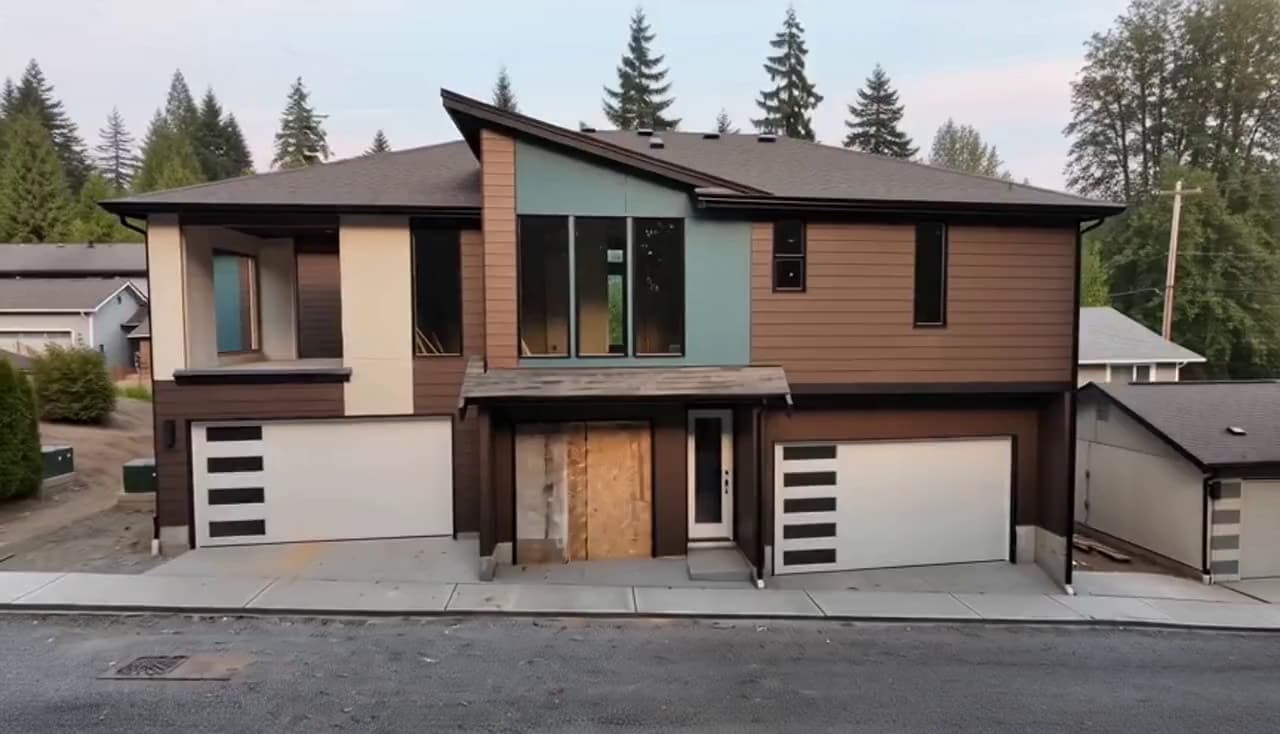
“ADU” went from planner jargon to dinner-table vocabulary in about three years, largely because Washington changed the rules. If you’ve heard the term and want the plain-English version — what it is, what it costs, whether it’s worth it — this is that.
The definition
An Accessory Dwelling Unit is a second, complete, independent home on a lot that already has a house. The word that matters is independent: its own kitchen, its own bathroom, its own sleeping space and its own entrance. A finished basement with a bedroom is not an ADU. A finished basement with a kitchen, bath and private door is.
Already past the definition and looking for someone to build one? Start with how to choose an ADU builder in Snohomish and King County.
The vocabulary, decoded
- ADU (attached). Inside or attached to the main house — basement conversion, garage conversion, or an addition with its own entrance.
- DADU (detached). A standalone structure in the yard. Also called a backyard cottage, and in Seattle listings, frequently just “DADU.”
- MIL / mother-in-law suite. Everyday name for an attached ADU. Not a legal term — what matters to the county is whether it’s permitted.
- JADU. Junior ADU — a small unit (typically under 500 sq ft) carved out of the existing house, sometimes sharing a bathroom. More common in California code than Washington’s.
Why they suddenly became easy to build
Washington’s recent housing legislation pushed cities across Snohomish and King County to permit ADUs broadly — commonly two per lot, with the old parking mandates and owner-occupancy requirements softened or removed. Cities still set their own size, height and setback limits, which is why the honest first step is a feasibility check on your specific parcel rather than a rule of thumb.
What they cost
Broad 2026 ranges around Seattle: garage conversions from roughly $100k–$150k, attached ADUs $150k–$250k, and detached DADUs $250k–$400k+. Site conditions — slope, trees, how far utilities have to travel — move detached budgets more than finish choices do. The full ADU cost breakdown goes deeper.
What people actually use them for
In our experience across the Eastside and Snohomish County, it’s roughly three groups: families housing aging parents or adult kids, owners adding long-term rental income, and people who want a real home office or studio detached from the noise of the house. The build is similar; the finish priorities differ.
The permit part is not optional
An unpermitted unit is a liability at resale, in an insurance claim, and if the county notices. Permitted square footage is the whole point — it’s what appraisers count and lenders accept. Our permits guide covers how the process runs; on our jobs, we handle it as part of the build.
Is your lot a candidate?
That question has a real answer, and it’s free to get. We build attached and detached ADUs across Everett, Seattle, Bellevue and the Eastside — see what we build — and the estimate visit includes an honest read on what your parcel allows.
On a sloped lot the cheapest route is often the one you already own — converting a daylight basement skips the foundation, roof and most of the trenching.
Frequently asked questions
- What does ADU stand for?
- Accessory Dwelling Unit — a second, smaller, fully independent home on the same lot as a single-family house. Independent means it has its own kitchen, bathroom, sleeping area and separate entrance.
- What's the difference between an ADU and a DADU?
- An ADU is attached to or inside the main house (a basement conversion, a bump-out, a unit over the garage). A DADU — detached ADU — is a separate structure in the yard, sometimes called a backyard cottage. DADUs cost more because they need their own foundation, envelope and utility runs.
- Does an ADU increase property value in Washington?
- Permitted ADUs generally add value, both as usable square footage and as rental income potential in a tight Seattle-area market. Washington law also now requires ADUs to be appraised and, in many cases, allows them to be sold as condominium units. Unpermitted units do the opposite — they complicate financing and resale.
- Can I rent out my ADU in Washington?
- In most Washington cities, yes — recent state law removed owner-occupancy requirements that used to block renting. Short-term rental rules vary by city, so check your local code before counting on nightly-rental income.
Written by
Eduard — Owner & General Contractor
Eduard owns ENF General Contractors and has built and remodeled homes across Everett, Seattle & the Eastside for more than fifteen years. Licensed, Bonded & Insured. He runs every ENF project personally — and writes these guides from the job site. More about Eduard · (425) 217-9921