
Field Notes · Roofing & Exteriors · October 27, 2026 · 6 min read
Gutter Replacement Cost in the Seattle Area (2026)
What new gutters cost around Seattle in 2026 per foot and per house, 5-inch vs 6-inch, guards, downspouts and drains, and the fascia rot that changes the number.
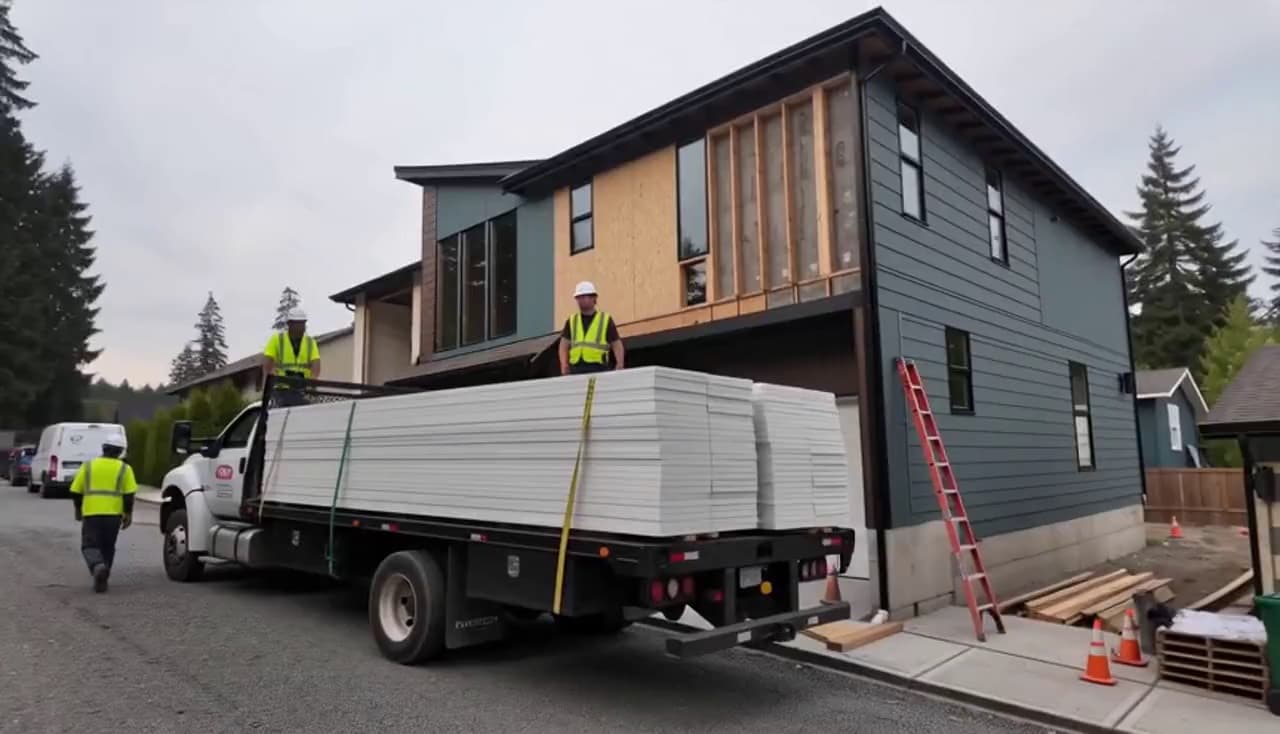
Gutters are the cheapest part of the exterior and the part that protects everything else. When they fail here, the water goes into the fascia, the top course of siding, the crawlspace and the foundation. Replacing them is a small job; what it finds behind them is sometimes not.
Expect $8 to $15 per linear foot for seamless aluminum 5-inch gutters and $15 to $30 for 6-inch, steel or complex runs. On a typical house with 150 to 200 feet of gutter, that is $1,800 to $4,500 before guards, drains and fascia repair.
What is in the price
- Seamless runs. Formed on site from a coil to the exact length, so the only joints are at the corners. Sectional gutters leak at every seam within a few years.
- Hangers every 24 inches, screwed into the rafter tails rather than nailed into the fascia board.
- Downspouts ($8–$15 per foot), sized to the gutter. A 6-inch gutter with 2x3 downspouts just moves the clog.
- Pitch. A quarter inch per ten feet toward the outlet. Flat gutters hold water, grow moss and rot the fascia.
- Removal and disposal of the old system.
The extras that move the number
- Fascia repair ($15–$40 per foot). Soft fascia behind old gutters is the most common thing we find, and it has to be fixed before new gutters go on or the hangers have nothing to hold.
- Guards ($8–$15 per foot). Micro-mesh is worth it under firs and cedars. Foam and brush inserts are not.
- Tight-lining downspouts ($500–$2,500). Running the downspouts underground to a drain or away from the house instead of dumping at the foundation. On a house with a damp crawlspace, this is the most valuable line on the bid.
- Height. Two- and three-story runs need staging and cost more per foot.
Signs it is time
Water spilling over the front edge in a normal rain, sagging runs, leaking corners, peeling paint or stains on the fascia, moss growing in the trough, and wet soil or efflorescence at the foundation under a downspout. Our guide to what blocked gutters damage shows where that water goes, and the October exterior checklist puts the gutter check on the calendar.
Do it with the roof, or the siding
If the roof is within a few years of replacement, wait and do both together: the gutters come off for the drip edge anyway, and the fascia gets fixed while the roof edge is open. The same applies to re-siding. Our roof replacement cost guide and roof moss guide cover the roof side of that decision.
Gutters from a general contractor
ENF does gutter installation alongside roofing and siding, so the rotten fascia or wet siding behind a failed gutter is fixed in the same visit, not left for another trade. We work across Everett, Mukilteo, Snohomish and the rest of Snohomish and King County.
Frequently asked questions
- How much does gutter replacement cost?
- Around Seattle in 2026, seamless aluminum 5-inch gutters run $8 to $15 per linear foot installed, and 6-inch or steel runs $15 to $30. A typical single-family house with 150 to 200 feet of gutter lands between $1,800 and $4,500, plus downspouts, guards and any fascia repair.
- Should I get 5-inch or 6-inch gutters?
- Five-inch handles most houses. Six-inch is worth it for large roof planes, steep pitches that dump water fast, valleys that concentrate flow onto one run, and houses under trees, because the bigger trough clogs less. In Western Washington rain, we upsize more often than not on two-story houses.
- Are gutter guards worth it?
- Under needle-dropping firs and cedars, yes. A good micro-mesh guard runs $8 to $15 per foot installed and cuts cleaning from twice a year to an occasional rinse. Cheap foam and brush inserts clog with needles and moss and are not worth the money here.
- Should gutters be replaced with a new roof?
- Usually, if they are over twenty years old. The gutters come off for the roof's drip edge and ice-and-water shield anyway, and any rotten fascia behind them gets fixed while the roof edge is open. Doing both together is cheaper than doing them a year apart.
Written by
Eduard — Owner & General Contractor
Eduard owns ENF General Contractors and has built and remodeled homes across Everett, Seattle & the Eastside for more than fifteen years. Licensed, Bonded & Insured. He runs every ENF project personally — and writes these guides from the job site. More about Eduard · (425) 217-9921